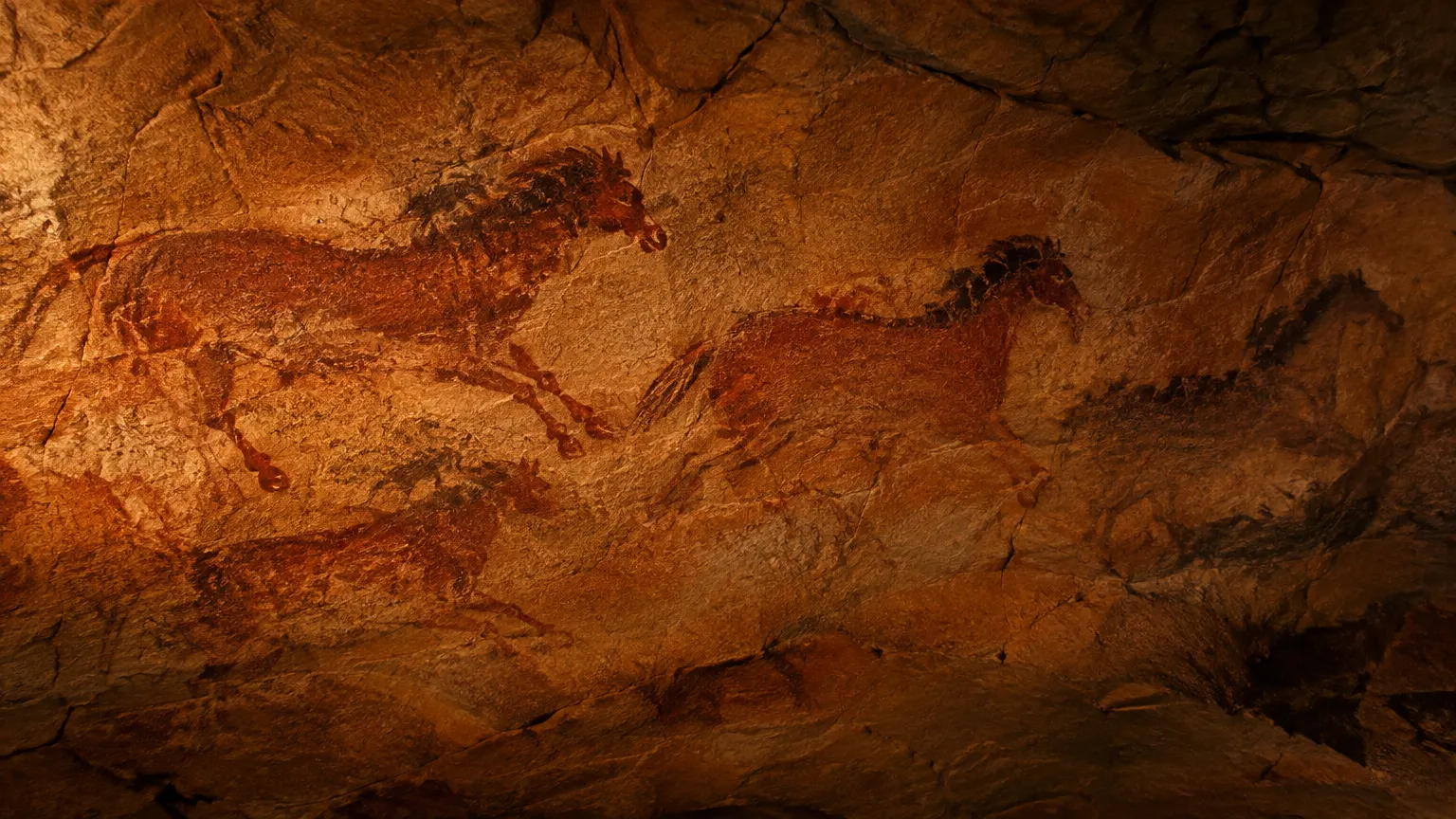
Long before saddles and stirrups, horses ran wild across the grasslands of Eurasia. This is how the bond between humans and horses began, and what the latest science says about it.
Painted on the walls of time Fact
Some of humanity’s oldest art is of horses. In France, the Chauvet cave holds horse paintings more than 30,000 years old, and the famous Lascaux cave adds galloping herds from around 17,000 years ago. At that time, people hunted horses rather than riding them.
In India, the rock shelters of Bhimbetka in Madhya Pradesh, a UNESCO World Heritage Site, include paintings of riders on horses and elephants. These belong to the later, historic layers of this extraordinary gallery of prehistoric and early art.
Who first tamed the horse? Fact
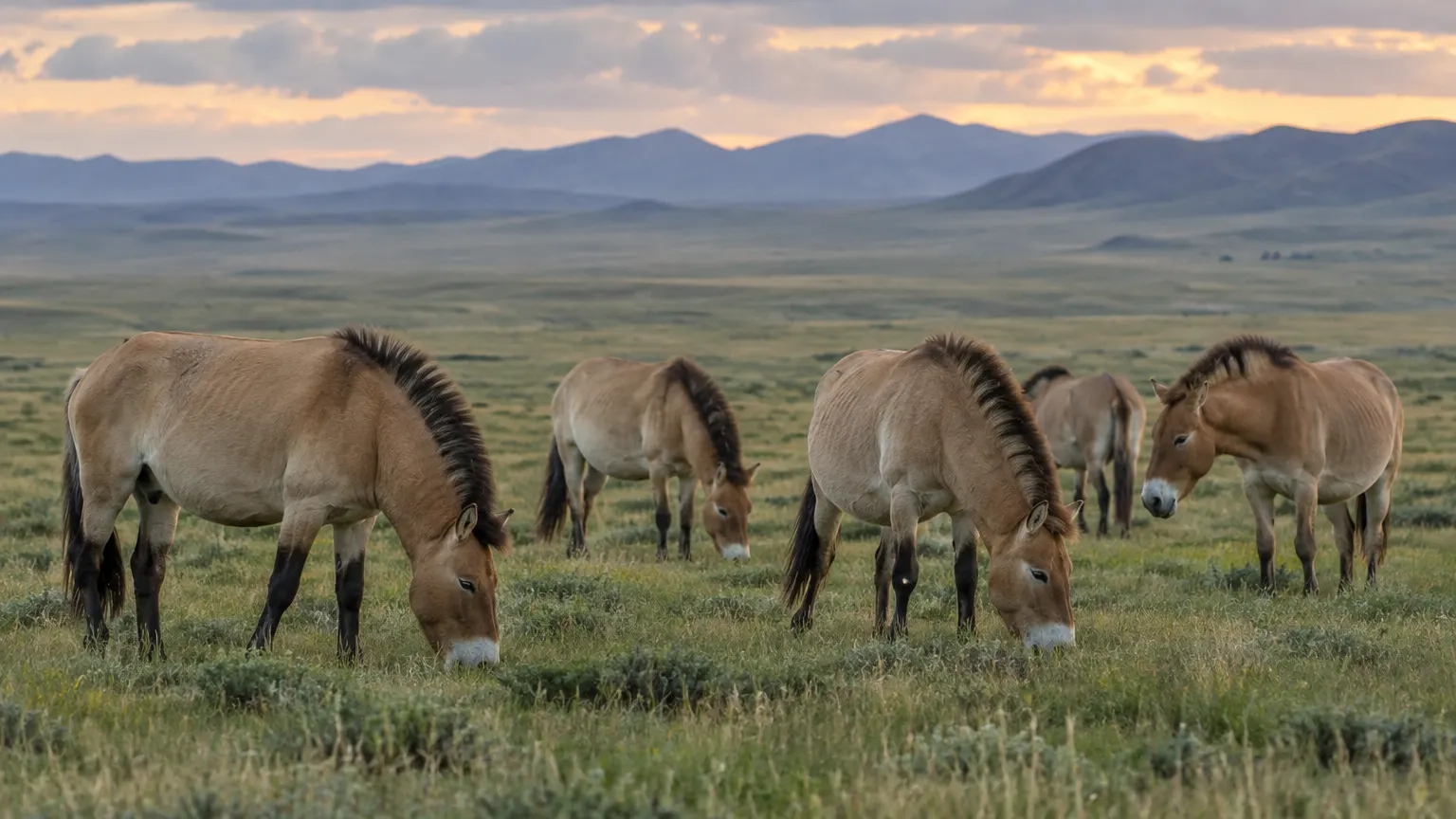
For years, the Botai culture of Kazakhstan, around 3500 BCE, was thought to hold the earliest domesticated horses. Genetic studies have since shown that the Botai horses were the ancestors of today’s Przewalski’s horses, not of the domestic horses we ride.
A landmark genetic study published in Nature in 2021 traced modern domestic horses to the western Eurasian steppe, near the lower Volga and Don rivers, around 2200 BCE. Within a few centuries these horses had spread across Asia and Europe, alongside the light, spoke-wheeled chariot.
The last wild horse? Debated
Przewalski’s horse, a stocky dun horse from Mongolia, was once called the last truly wild horse. Genetic work now suggests it may descend from those early Botai herds that later went wild again. It was extinct in the wild by the late 1960s and has since been reintroduced to Mongolia from zoo populations, one of conservation’s great comebacks.
Chariots change the world Fact
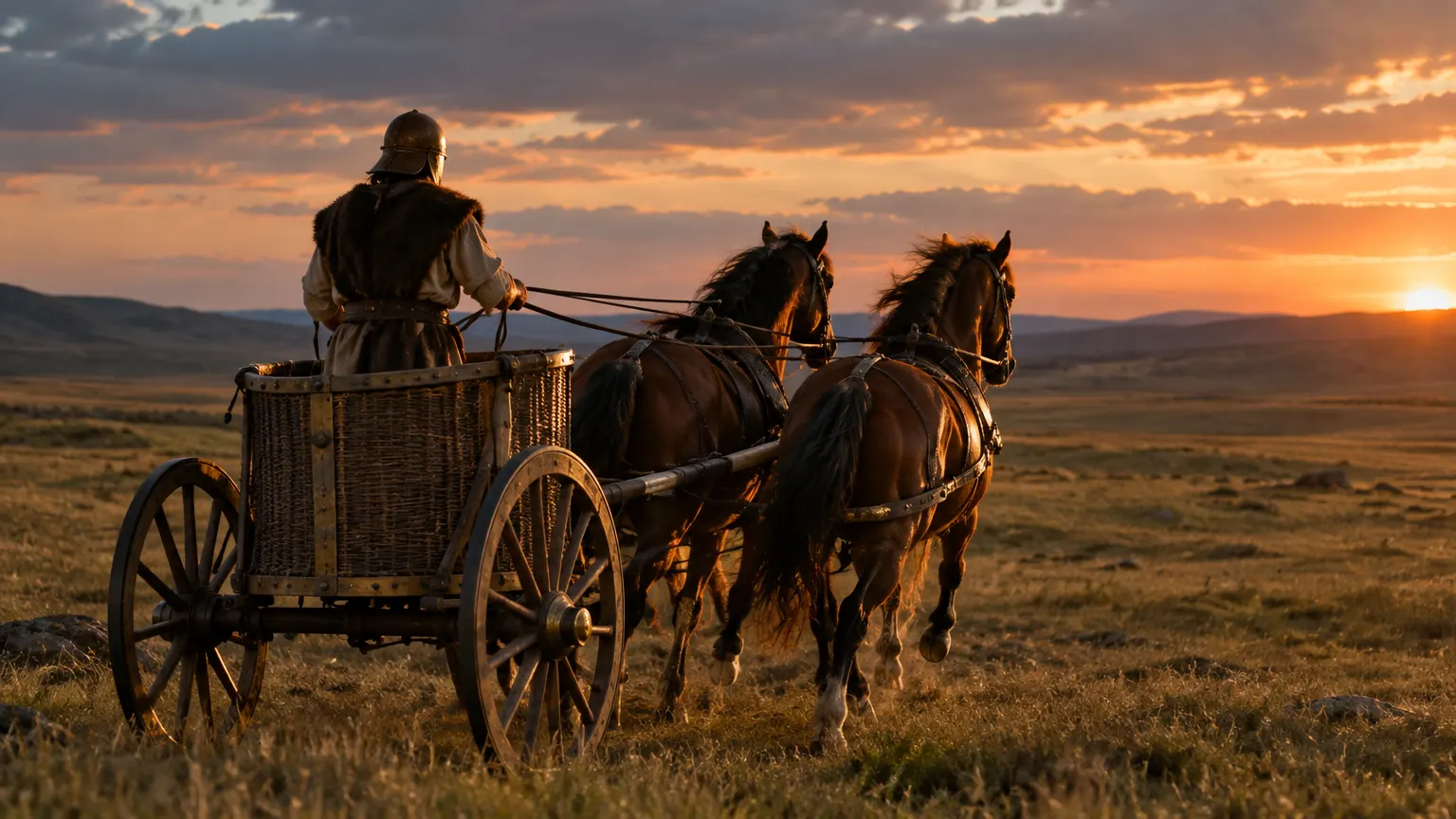
Light chariots with spoked wheels appear on the steppe around 2000 BCE. Over the next centuries they became the elite war machine of the ancient world. The Hittites and Egyptians fought one of history’s largest chariot battles at Kadesh in 1274 BCE.
Riding horses into battle on horseback, as cavalry, came later and spread widely in the first millennium BCE.
Horses in early India Debated
The Rigveda, among the oldest texts in any Indo-European language, mentions the horse (ashva) many times, with racing chariots and horses praised as gifts of honour.
Whether horses were present in the earlier Harappan (Indus Valley) civilisation remains debated among archaeologists. The chariot-like carts found at Sinauli in Uttar Pradesh, dated to around 2000–1800 BCE, have added to the discussion: scholars still disagree on whether they were drawn by horses or by cattle.
We present this as an open question, because that is what it honestly is.
India’s earliest horse science Fact
Kautilya’s Arthashastra, the ancient treatise on statecraft, describes an Ashvadhyaksha, a superintendent of horses responsible for stables, breeding, feeding and training. It shows how seriously Indian kingdoms managed their horses.
Tradition credits the sage Shalihotra with the Shalihotra Samhita, an early treatise on horse care and medicine. He is often remembered as a father of veterinary science in India.
Fun facts
The stirrup, which transformed riding, appears only many centuries after the first riders. Early riders balanced with skill alone.
An early form of the toe stirrup is believed to have been used in ancient India.
Ancient Greek Olympic Games included four-horse chariot races from 680 BCE.
Questions people ask
When were horses first domesticated?
Current genetic evidence points to the western Eurasian steppe around 2200 BCE as the origin of modern domestic horses. Earlier horse herding at Botai, around 3500 BCE, involved a different lineage.
Were there horses in the Indus Valley civilisation?
This is debated among archaeologists. The evidence is limited and interpreted differently by different scholars.
What is Przewalski’s horse?
A stocky horse from Mongolia once called the last wild horse. Genetics suggests it descends from early herded horses that went wild again. It has been reintroduced to the wild after extinction there.
Sources & further reading
- Librado, P. et al. (2021), “The origins and spread of domestic horses from the Western Eurasian steppes”, Nature
- Gaunitz, C. et al. (2018), “Ancient genomes revisit the ancestry of domestic and Przewalski’s horses”, Science
- UNESCO World Heritage Centre: Rock Shelters of Bhimbetka
- Kautilya, Arthashastra, Book II (trans. R. Shamasastry)
Last reviewed: November 2026. Spotted an error? Suggest a correction.