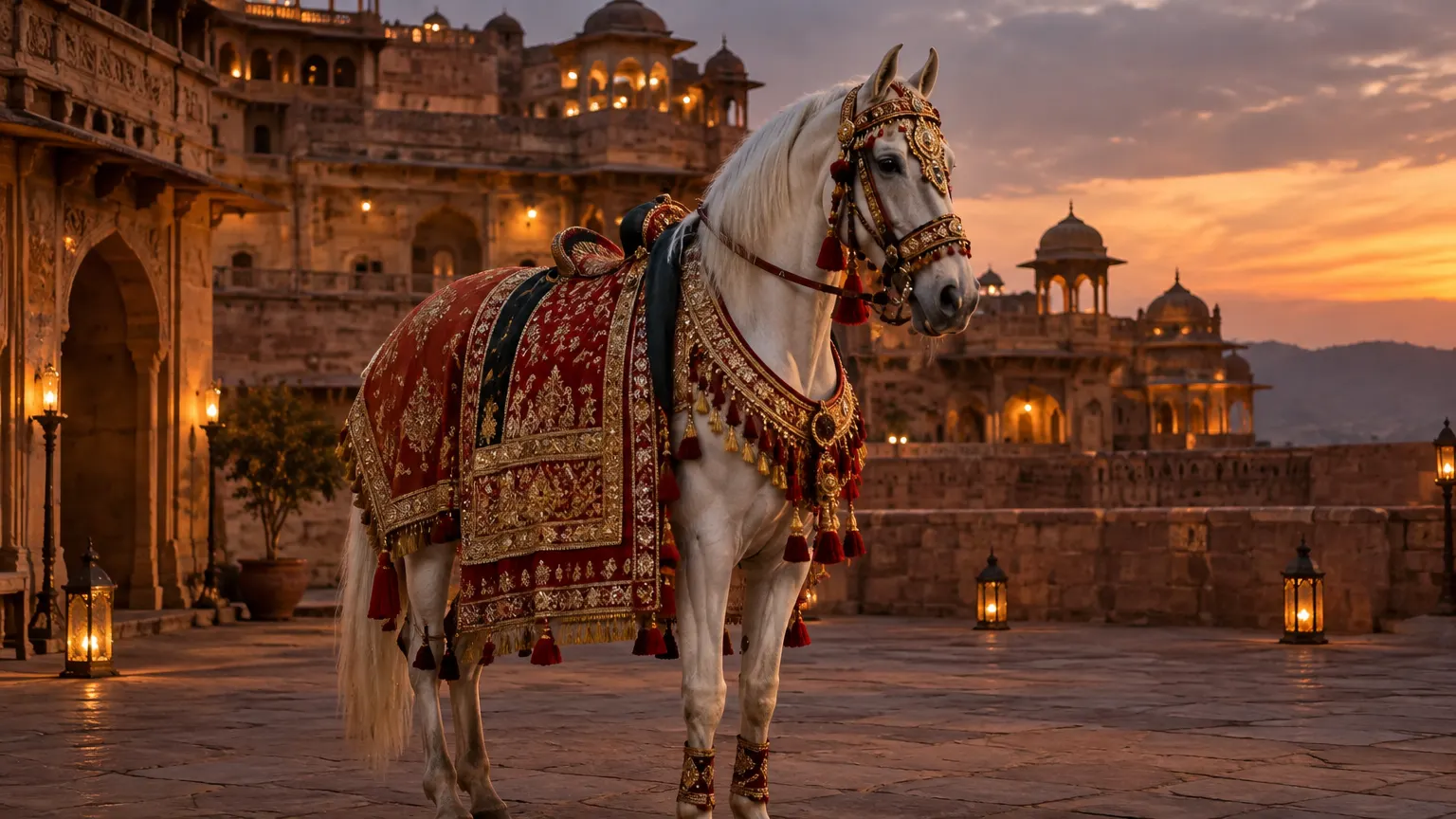
Empires rose and fell at the speed of a gallop. Step into the royal stable and meet the horses, and the horsemen, who shaped India’s history.
Bucephalus at the Jhelum Fact
In 326 BCE, Alexander of Macedon fought King Porus at the Battle of the Hydaspes, the river we know as the Jhelum. Alexander’s legendary black horse Bucephalus died around the time of this campaign, and Alexander founded a city in his memory named Bucephala.
Classical writers also recorded Porus’s courage, and the battle remains one of the most studied of the ancient world.
The Mauryan cavalry Fact
Greek and Roman writers who described Chandragupta Maurya’s empire credited it with a vast army that included tens of thousands of cavalry. Horses, chariots and elephants together made the Mauryan state one of the great military powers of its age.
Chetak: history and legend Legend
The Battle of Haldighati in 1576, between Maharana Pratap of Mewar and the Mughal army, is recorded history.
Around it grew the beloved legend of Chetak, Maharana Pratap’s horse. As the story is told, Chetak was badly wounded yet carried his rider to safety, leaping a stream before collapsing. A memorial to Chetak stands near Haldighati in Rajasthan, and the story is still taught to Indian children as a symbol of loyalty.
Horses of the Rajputs and Mughals Fact
Rajput clans prized their horses as family. The Rathores of Marwar are credited with shaping the Marwari breed for war.
Babur’s victory at Panipat in 1526 combined swift cavalry with gunpowder. Under Akbar, the imperial stables were organised in remarkable detail. The Ain-i-Akbari describes how horses were graded, fed and cared for.
Maratha light cavalry Fact
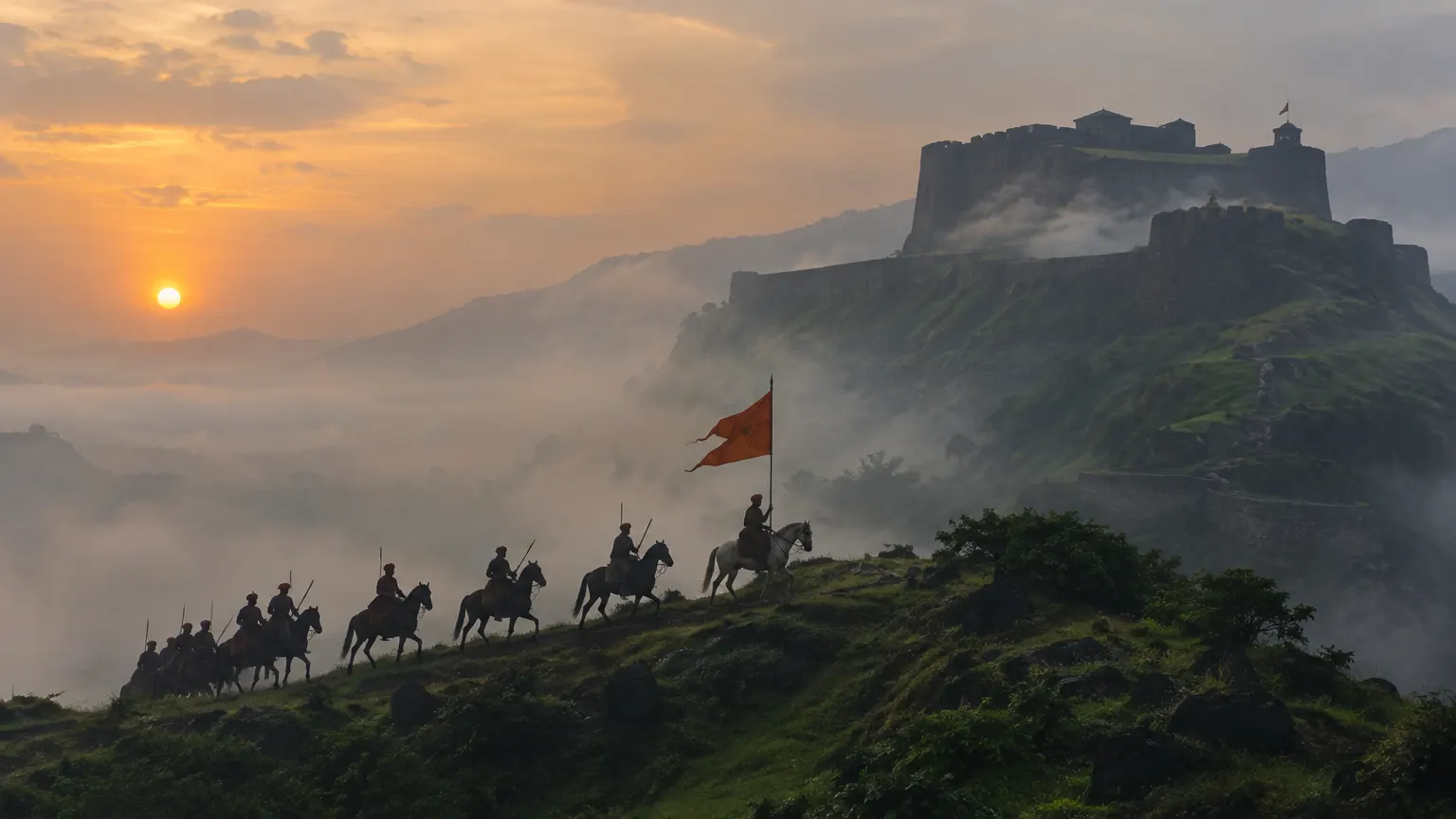
Chhatrapati Shivaji Maharaj built a fast, mobile cavalry suited to the hills and valleys of the Deccan. Its horsemen were organised as bargirs, who rode state horses, and shiledars, who brought their own.
This cavalry was central to the Maratha style of swift, surprise warfare known as ganimi kava, and to the later expansion of Maratha power across India.
Rani Lakshmibai Legend
Rani Lakshmibai of Jhansi rode into battle during the uprising of 1857–58, and her courage on horseback is historical fact. Popular tradition adds the story of a daring leap from the walls of Jhansi fort with her son tied to her back. Folk songs and poems keep that version alive, though historians treat its details with caution.
The charge at Haifa, 1918 Fact
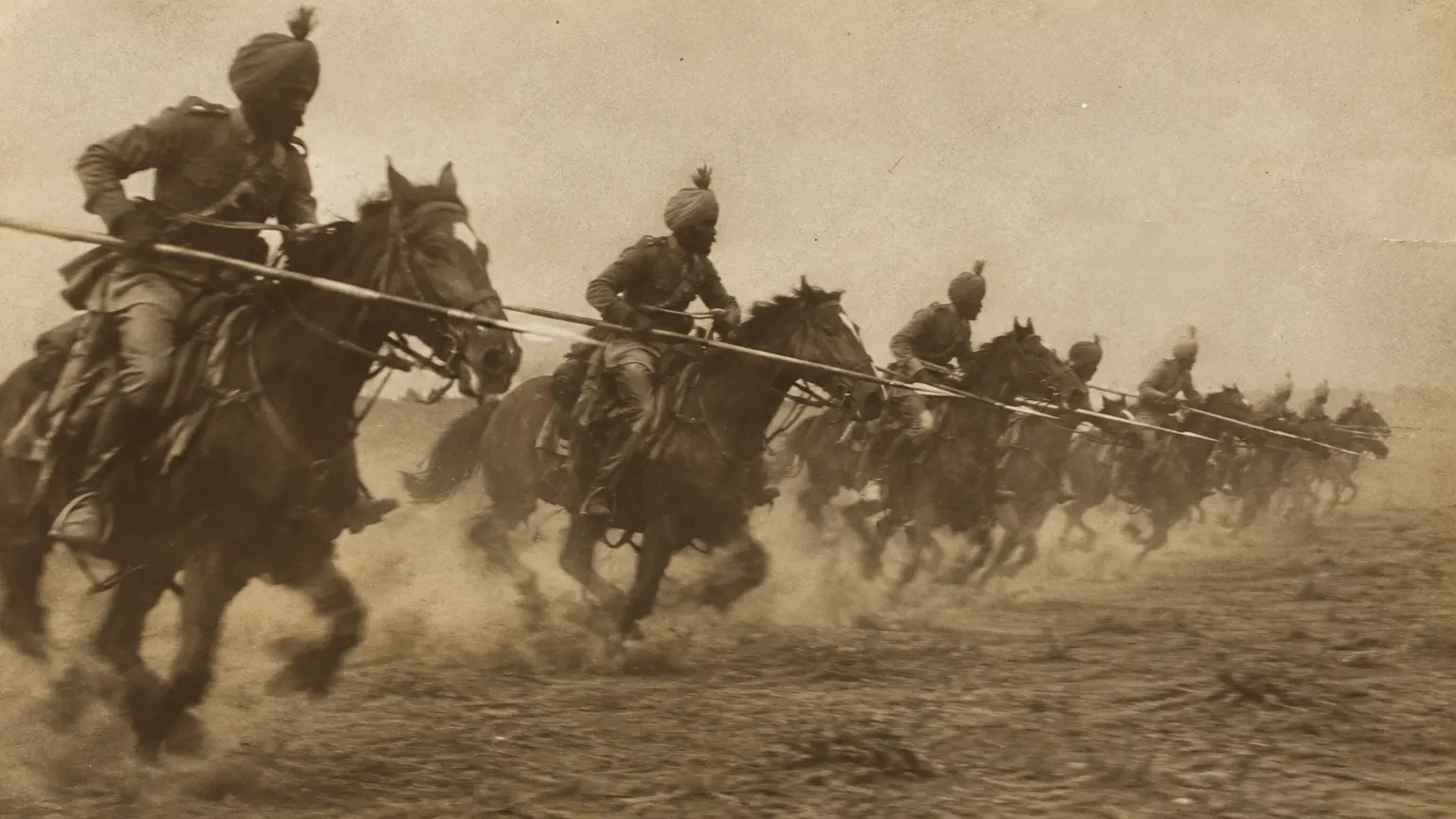
On 23 September 1918, during the First World War, the Jodhpur and Mysore Lancers charged machine-gun positions with lances and captured the port city of Haifa. It is remembered as one of the last great cavalry charges in history.
The Indian Army marks Haifa Day every year, and the Teen Murti memorial in New Delhi honours the lancers.
Living legacy Fact
The President’s Bodyguard, raised in 1773, is the senior-most regiment of the Indian Army and still rides at ceremonial occasions in Delhi.
The 61st Cavalry, raised in 1953, is often described as one of the last serving horse-mounted cavalry regiments in the world. Its officers are also among India’s finest polo players.
Fun facts
The city of Bucephala, founded in memory of Alexander’s horse, is believed to have stood on the banks of the Jhelum.
Many Rajput miniature paintings show horses decorated as richly as their riders.
The President’s Bodyguard is one of the few units anywhere in the world to serve both as mounted ceremonial horsemen and as trained paratroopers.
Questions people ask
What is the story of Chetak?
Chetak was Maharana Pratap’s horse at the Battle of Haldighati (1576). Legend says the wounded horse carried him to safety before dying. The battle is history; the story’s details are tradition.
What happened at Haifa in 1918?
On 23 September 1918, the Jodhpur and Mysore Lancers charged with lances and captured Haifa. The Indian Army commemorates it as Haifa Day.
Does India still have horse cavalry?
Yes. The 61st Cavalry is a horse-mounted regiment, and the President’s Bodyguard rides at ceremonial events.
Sources & further reading
- Arrian, “The Anabasis of Alexander”, Book V
- Abu’l Fazl, “Ain-i-Akbari” (trans. H. Blochmann)
- Indian Army: Haifa Day commemoration; President’s Bodyguard; 61st Cavalry
- Sarkar, Jadunath, “Shivaji and His Times”
Last reviewed: November 2026. Spotted an error? Suggest a correction.