What is endurance?
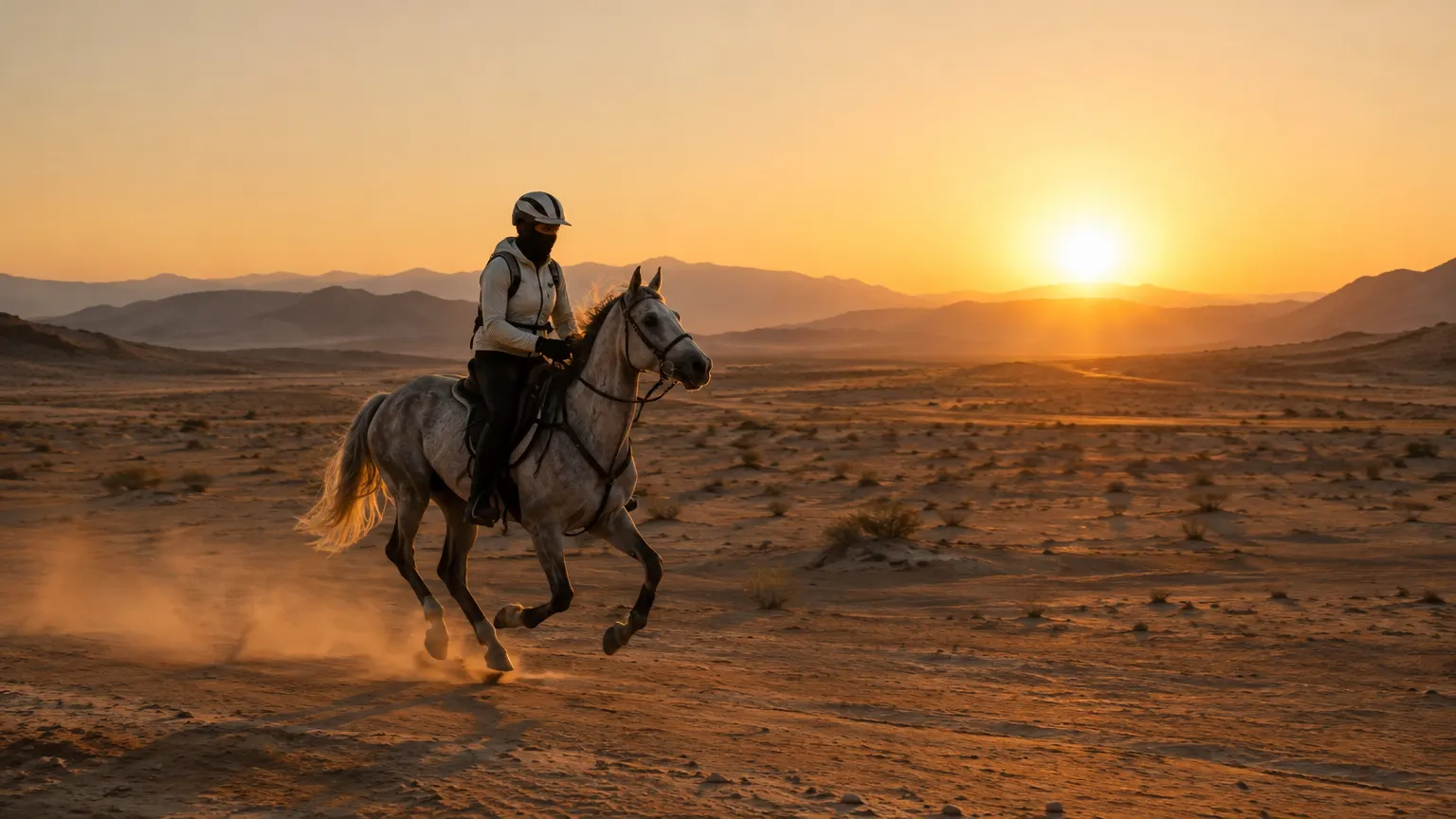
Endurance riding is a long-distance race across natural country, from about 40 km up to 160 km in a single day.
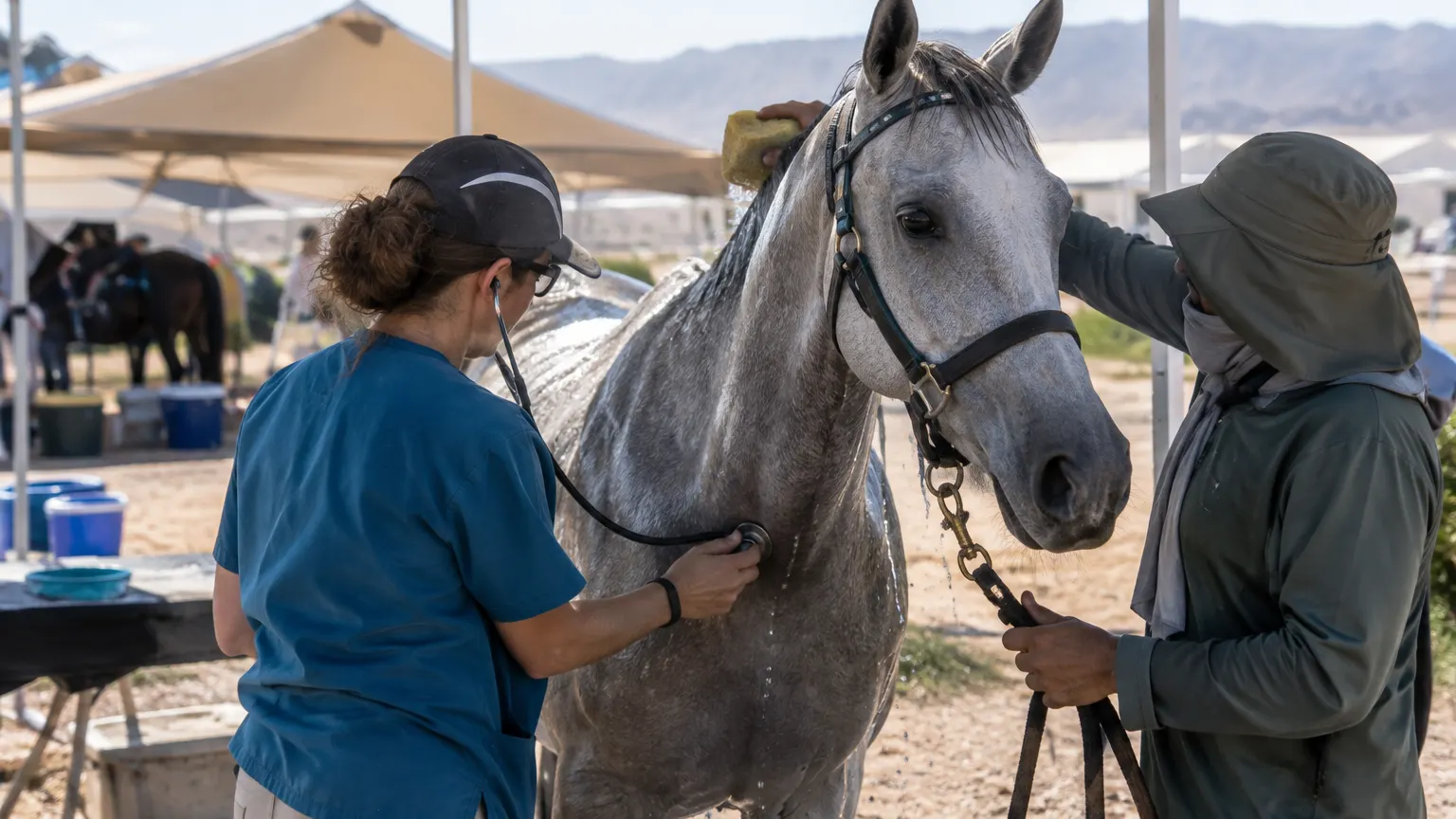
At regular vet gates, veterinarians check every horse’s heart rate, soundness and wellbeing. A horse that is not fit to continue is withdrawn, because in endurance, the horse’s welfare decides the race.
Popularity
Huge in the Middle East, Europe and Australia. Small but present in India.
Feel the sport
Sunrise over a desert trail, the steady beat of hooves for hours on end, and a quiet bond between horse and rider that only miles can build.
An Indian Parallel Fact
India knew the value of distance horses long before the sport existed. In the 16th century, Sher Shah Suri built a network of roads and sarais with relays of horses to carry royal post across north India.
The Marwari horse, bred for long desert marches, is still celebrated for its stamina.
Fun facts
The Tevis Cup in California, first held in 1955, covers 100 miles (about 160 km) of mountain trail in a single day.
Many endurance horses are at their best between 8 and 15 years old.
Top endurance riders often run alongside their horses on foot to give them a rest.
How it works in 60 seconds
The race is split into loops. After each loop, the horse must pass a vet check within a set time, including a heart rate at or below the required limit.
The first horse across the finish line that also passes the final vet check wins. Many events also give a prize for “Best Condition”.
Questions people ask
How long is an endurance race?
Competitions range from about 40 km to 160 km in a single day.
Which horse breed is best for endurance?
Arabians and Arabian crosses dominate thanks to their stamina, efficient cooling and quick heart-rate recovery.
Related sports


Sources & further reading
- FEI Endurance Rules
- Western States Trail Foundation (Tevis Cup)
- Encyclopaedia Britannica: Sher Shah Suri
Last reviewed: November 2026. Spotted an error? Suggest a correction.